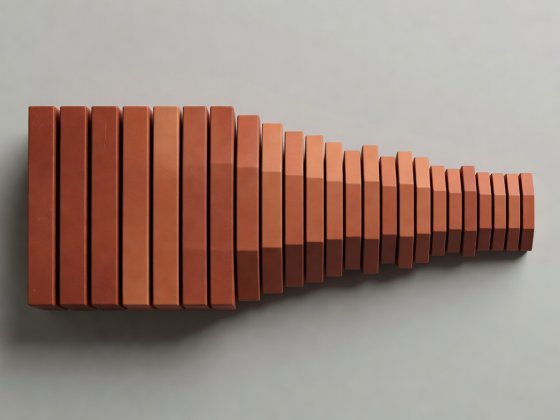
Let Each Section Earn Its Place
Song form is not a rigid template imposed from outside; it is the listener’s map through memory and expectation. When a section enters, the ear subconsciously asks: Are we advancing the narrative with new particulars (Verse), building unstable momentum (Pre-Chorus), summarizing the central emotional truth (Chorus/Refrain), or stepping outside the frame to view the problem from a new angle (Bridge)?
If two adjacent sections perform the exact same narrative and musical job, one of them is redundant. You create structural lift not merely by playing louder, but by contrasting harmonic rhythm (how frequently chords change), phrase symmetry (4+4 balanced bars versus 3+5 asymmetric bars), and starting harmony (tonic vs. non-tonic openings).
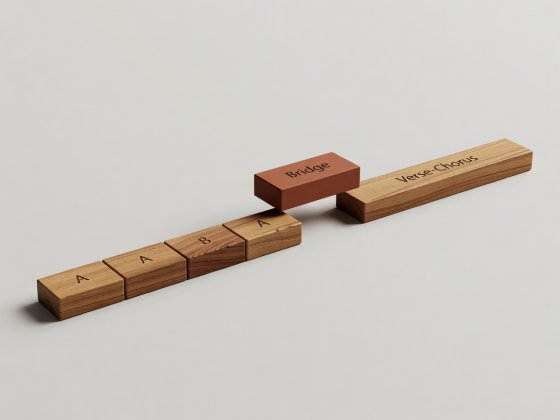
Choose the form that matches where your hook sits.
Not every idea wants a big stadium chorus. If your initial fragment is a pithy lyrical title tied to a two-bar cadence, a strophic form with a terminal refrain or a 32-bar AABA form will serve it far better than forcing an artificial pre-chorus.
Verse – Pre-Chorus – Chorus – Bridge (Modern Dynamic Arc)
Verses provide scene-setting detail; the Pre-Chorus destabilizes the bar length or harmonic pace; the Chorus delivers the core title at the highest vocal register.
32-Bar AABA (Tin Pan Alley & Classic Pop Standard)
Three eight-bar "A" sections contain the main melody and title hook right at the start or end of each A, interrupted once by an eight-bar "B" section (the Middle Eight) in a contrasting key or on the IV/vi chord.
AAA Strophic with Terminal Refrain (Folk & Story Ballad)
As heard in Paul Simon’s The Sound of Silence or Bob Dylan’s Blowin' in the Wind, each verse shares the same music and resolves into a single recurring closing line rather than a separate chorus section.
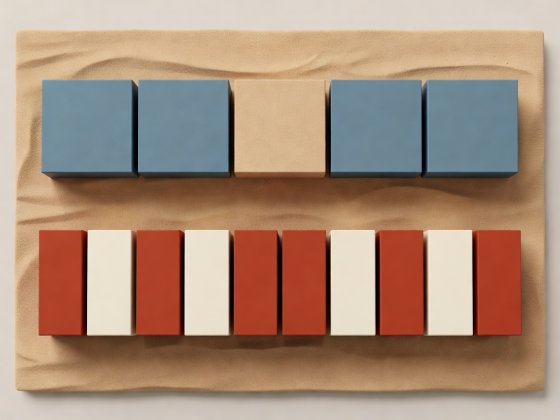
How to build a Pre-Chorus ramp and a Bridge that resets the ear.
In Sheila Davis’s The Craft of Lyric Writing and Jack Perricone’s Melody in Songwriting, transitions succeed when they manipulate stability:
Verse (Slow Pace): 1 chord every 2 bars (Cmaj7 [2 bars] → Am7 [2 bars]). Feels spacious and observational.
Pre-Chorus (Accelerated Pace): Chords change every 2 beats (Dm7 – Em7 | F – G7sus4) and Phrase 2 is trimmed from 4 bars to 3 bars.
Chorus (Broad Arrival): Returns to 1 chord per bar starting squarely on the Tonic (C) or Subdominant (F) with elongated vocal vowels.
When writing the Bridge (after Chorus 2), avoid starting on the tonic chord. Start on the vi, IV, iii, or a borrowed flat-six (bVI), and shorten or lengthen the vocal phrases so Chorus 3 feels newly discovered when it returns.